Greta Lange · 31 August 2026
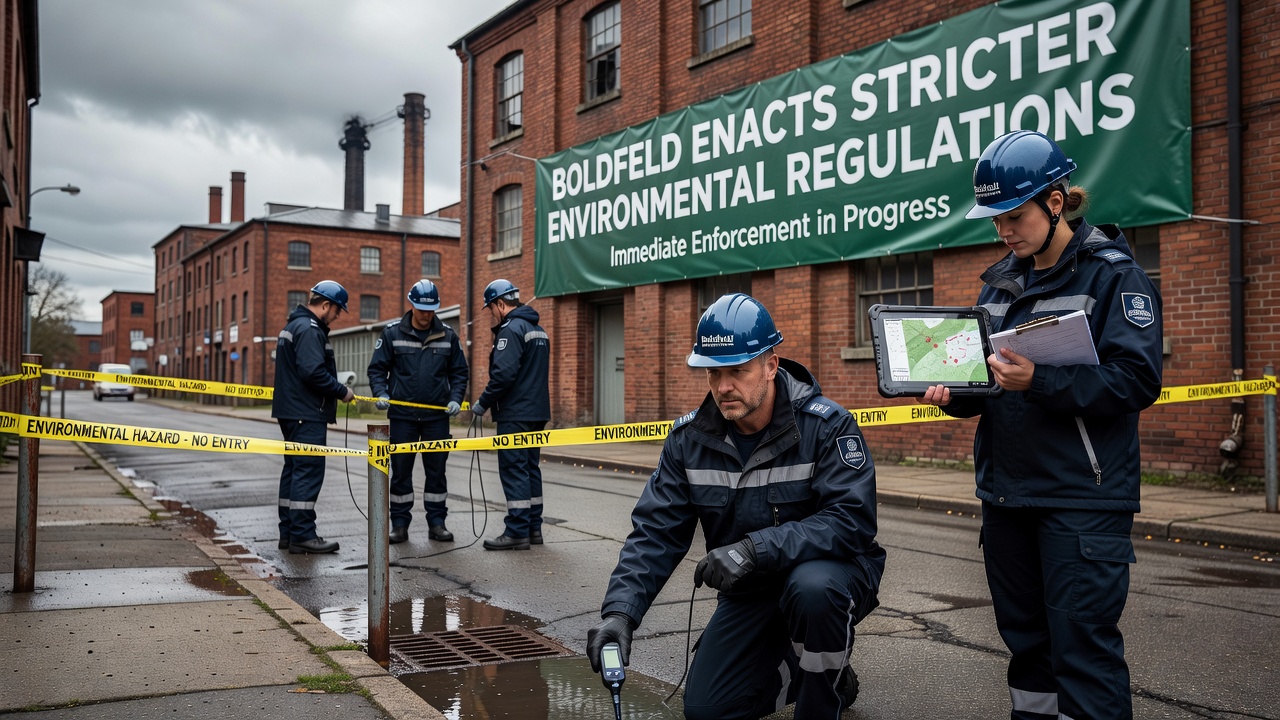
Boldfeld authorities have introduced comprehensive environmental regulations targeting industrial emissions and waste management. The measures require companies to cut carbon output by 25 percent within five years and adopt cleaner production methods. Officials state the rules align with international climate commitments while addressing local concerns over air and water quality.
Key Provisions and Timeline
The regulations mandate regular environmental audits for factories and impose fines for non-compliance. Industries must transition to renewable energy sources, with subsidies available for solar and wind installations. A phased rollout begins next quarter, starting with the manufacturing sector. Monitoring stations will track progress, and public reports will be issued annually. Experts note these steps could reduce pollution levels significantly if enforced consistently.
Small businesses receive support through grants and technical assistance programs. Larger corporations face higher compliance costs but may benefit from long-term efficiency gains. Environmental groups have welcomed the initiative, though some call for even stricter targets on single-use plastics.
Economic and Community Effects
Local economies may experience short-term disruptions as firms adjust operations. Job training initiatives are planned to help workers shift to green sectors. Residents near industrial zones anticipate improved health outcomes from reduced emissions. Analysts project modest increases in energy prices initially, offset by potential savings from sustainable practices over time. Boldfeld leaders emphasize collaboration with stakeholders to ensure smooth implementation and balanced growth.