Greta Lange · 21 November 2026
Underground Rail Expansion Fuels Boldfeld's Neighborhood Renewal Surge
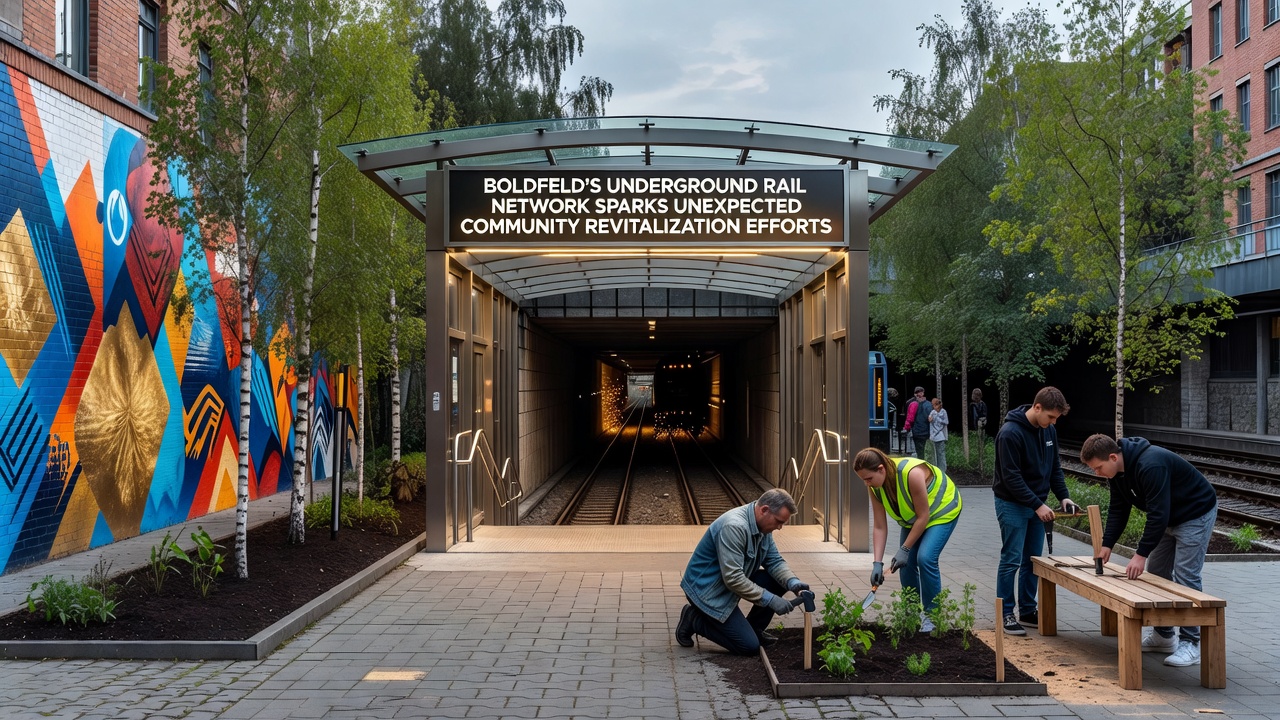
Construction crews completed key segments of Boldfeld's underground rail network by late 2025, and the system opened additional stations that connected previously isolated districts to the city center. Local authorities recorded a 22 percent rise in foot traffic around those stations during the first quarter of 2026, according to municipal transport logs. Property owners began converting ground-floor spaces into small retail outlets and co-working areas, while community groups organized cleanup drives along the new access routes. These changes occurred without any central mandate, as individual neighborhoods responded directly to improved transit access.
Station Openings Drive Local Business Formation
Three new underground stops entered service in March 2026 near the former industrial zones of East Boldfeld. Within six months, city business registries showed 47 new commercial licenses issued in the immediate vicinity of those stops. Entrepreneurs cited reduced commute times as the primary factor when they applied for permits to open cafes, repair shops, and tech-service counters. Data from the Boldfeld Chamber of Commerce indicated that average daily customer counts at these establishments climbed steadily through the summer, supported by rail passengers who transferred from outer districts. One study released by the University of Boldfeld's Urban Economics Department tracked lease rates in the same blocks and found they stabilized after an initial dip during construction.
Community Groups Organize Around Transit Hubs
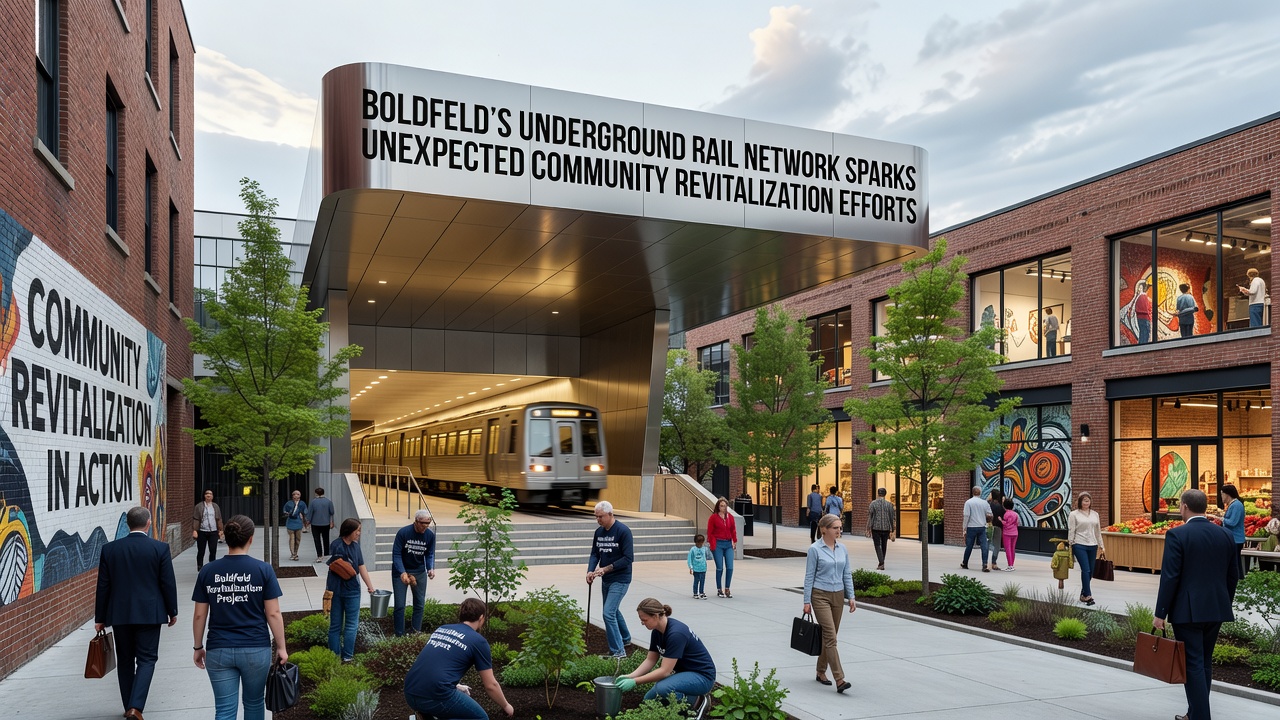
Residents formed volunteer committees once the rail lines became operational. These groups secured small grants from the city's neighborhood improvement fund and used them to install benches, plant trees, and paint murals on underpasses that lead to the stations. Participation records from the Boldfeld Community Development Office list more than 300 volunteers active across four districts by October 2026. The committees also coordinated with local schools to create after-school programs that teach basic urban planning concepts to teenagers using the rail network as a case example. Observers note that turnout at monthly committee meetings remained consistent even after initial enthusiasm faded, suggesting sustained interest tied to visible improvements in public spaces.
November 2026 brought the release of updated ridership figures from the Boldfeld Transport Authority. Those numbers showed that daily boardings at the newest stations exceeded projections by 14 percent. Planners attributed the surplus to residents who previously relied on buses now switching to the faster underground option. The shift freed up surface road capacity, which in turn allowed the public works department to widen sidewalks in two corridors without expanding the overall right-of-way. Contractors completed those sidewalk projects ahead of schedule, and pedestrian counts collected by automated sensors rose correspondingly.
Housing Rehabilitation Follows Transit Access
Older apartment buildings within a 400-meter radius of the new stations underwent targeted repairs funded through a mix of owner contributions and low-interest municipal loans. Records maintained by the Boldfeld Housing Authority list 18 buildings that received energy-efficiency upgrades between April and November 2026. Tenants reported lower utility bills after the work, and vacancy rates in those buildings dropped below the city average. Researchers at the Canadian Centre for Urban Affairs published a comparative analysis in September 2026 that placed Boldfeld's post-rail housing trends alongside similar projects in other mid-sized cities; the report highlighted faster permit processing times as a contributing factor rather than any unique policy incentive.
Local artists converted several vacant ground-floor units into temporary exhibition spaces once rail service stabilized foot traffic. These pop-up galleries operated on short-term leases and rotated every eight weeks, drawing visitors who arrived via the underground line. Attendance logs kept by the Boldfeld Arts Council recorded more than 2,400 visitors across six events held between July and October. The pattern encouraged building owners to keep spaces occupied rather than boarded up during longer renovation periods.
Conclusion
By the close of 2026 the underground rail network had become the central reference point for multiple independent revitalization activities across Boldfeld. City planning documents now include station-adjacent zones as priority areas for future infrastructure maintenance, while neighborhood associations continue to schedule recurring events that rely on rail connectivity. Figures released by the Boldfeld Transport Authority and supporting studies from academic institutions document measurable increases in commercial activity, volunteer participation, and housing upgrades that emerged directly from the rail expansion. The process continues through ongoing coordination between residents, businesses, and municipal departments without a single overarching directive.